
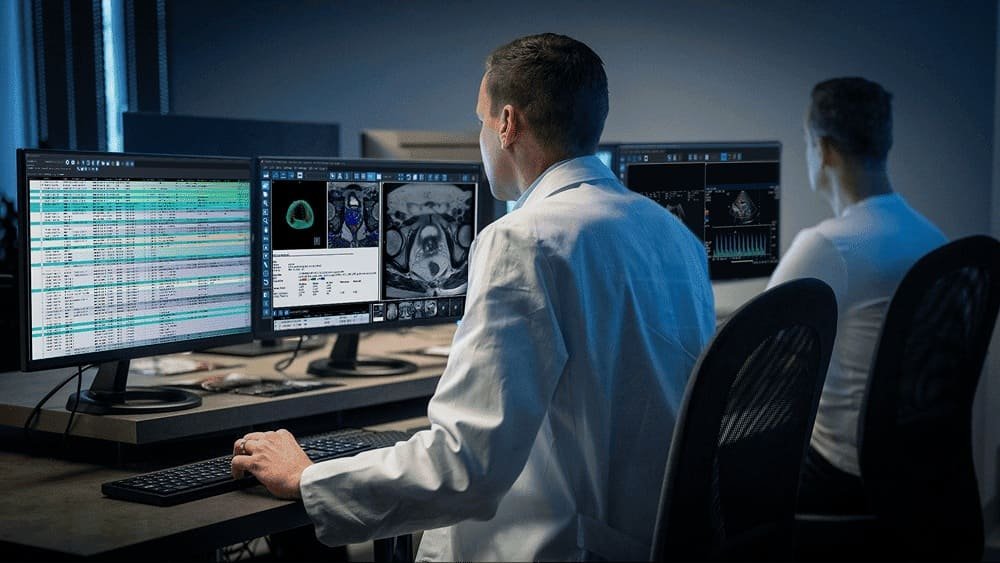
In today’s fast-paced healthcare environment, timely and accurate medical imaging reports are critical for patient care. Teleradiology services have emerged as a reliable solution for hospitals and diagnostic centers facing radiologist shortages, high imaging volumes, and the need for round-the-clock reporting.
Teleradiology enables medical images to be securely transmitted from imaging centers to qualified radiologists for remote interpretation—without compromising quality, speed, or data security.
What Are Teleradiology Services?
Teleradiology services involve the digital transfer of imaging studies such as CT scans, MRI, X-rays, Ultrasound, and Mammography to off-site radiologists for reporting. These services use secure PACS/RIS and cloud-based platforms to ensure seamless communication and fast report delivery.
Radiologists interpret the images remotely and send structured reports back to the healthcare facility within defined turnaround times.
Why Hospitals and Diagnostic Centers Use Teleradiology1. Faster Turnaround Times
Teleradiology ensures rapid reporting, especially for emergency and STAT cases, helping clinicians make timely decisions.
2. 24×7 Radiology Coverage
Facilities can access expert radiologists during nights, weekends, and holidays without maintaining a full in-house team.
3. Access to Subspecialty Expertise
Teleradiology networks provide access to radiologists trained in neuroradiology, musculoskeletal imaging, breast imaging, and more.
4. Cost-Effective Operations
Outsourcing reporting reduces staffing costs while maintaining high diagnostic quality.
5. Scalable Reporting Support
Teleradiology easily adapts to high volumes, peak workloads, and overflow cases.
Imaging Modalities Supported by Teleradiology
Modern teleradiology services support a wide range of imaging studies, including:
- CT Scan Reporting
- MRI Reporting
- X-Ray Reporting
- Ultrasound Reporting
- Mammography Reporting
Each study is reviewed using standardized protocols and quality assurance processes to ensure consistency and accuracy.
Data Security and Compliance
A common concern with remote reporting is data security. Leading teleradiology providers use:
- Encrypted image transmission
- Secure PACS/RIS integration
- Role-based access controls
- Strict confidentiality protocols
These measures ensure patient data remains protected at all times.
The Future of Teleradiology
With increasing imaging volumes and growing demand for faster diagnosis, teleradiology is becoming an essential part of modern healthcare delivery. Advances in digital infrastructure, structured reporting, and quality monitoring continue to strengthen its role in clinical decision-making.
Conclusion
Teleradiology services offer a dependable, efficient, and scalable solution for hospitals and diagnostic centers seeking high-quality radiology reporting. By combining expert radiologists, secure technology, and fast turnaround times, teleradiology helps healthcare providers deliver better patient outcomes without operational strain.