Digital technology has transformed radiology workflows, making faster diagnosis and remote reporting possible. At the core of this transformation are PACS (Picture Archiving and Communication Systems) and RIS (Radiology Information Systems)—the essential platforms that power modern radiology and teleradiology services.
Together, PACS, RIS, and advanced radiology technology enable seamless image storage, secure data transfer, efficient reporting, and improved clinical collaboration.
What Is PACS in Radiology?
PACS is a medical imaging technology used to store, retrieve, manage, and share digital images such as CT scans, MRI studies, X-rays, Ultrasound, and Mammography.
Key Functions of PACS:
- Centralized image storage
- Fast image retrieval
- Secure image sharing across locations
- Remote access for radiologists
PACS eliminates the need for physical films, enabling radiologists to interpret studies from anywhere—making teleradiology possible.
What Is RIS and Why Is It Important?
RIS manages the administrative and workflow aspects of radiology services. It handles patient data, scheduling, reporting, and billing information.
Core Benefits of RIS:
- Streamlined patient and study management
- Improved reporting workflow
- Reduced administrative errors
- Better coordination between departments
When integrated with PACS, RIS ensures imaging studies move smoothly from acquisition to reporting and final delivery.
PACS–RIS Integration in Teleradiology
In teleradiology, seamless PACS/RIS integration is critical. Imaging studies must be transferred securely, assigned correctly, and reported without delays.
A well-integrated system enables:
- Automatic case assignment
- Real-time study tracking
- Faster turnaround times
- Reduced manual intervention
This integration improves efficiency while maintaining data accuracy and security.
Role of Advanced Radiology Technology
Beyond PACS and RIS, modern radiology relies on advanced technologies such as:
- Cloud-based imaging platforms
- Secure image encryption and access control
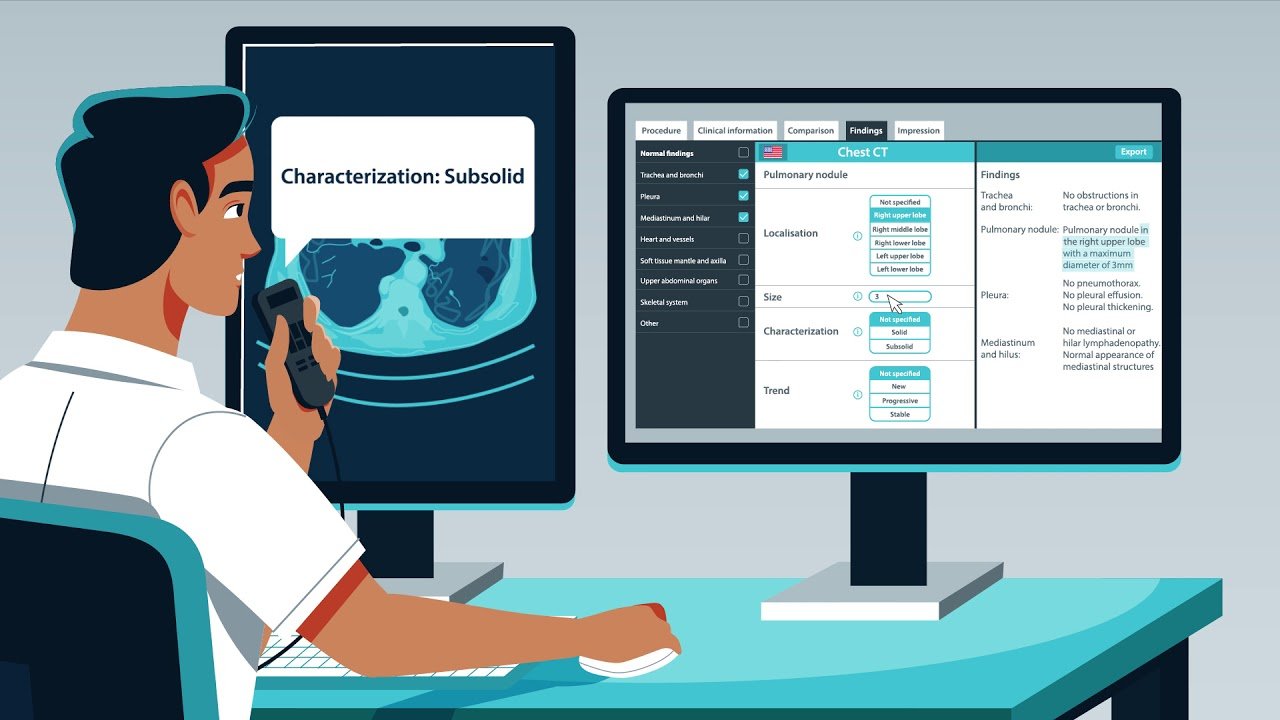
- Structured reporting tools
- Workflow automation systems
These technologies enhance productivity, reduce reporting errors, and support high-volume imaging environments.
Data Security and Compliance
With increasing reliance on digital systems, data security is a top priority. Modern radiology technology incorporates:
- End-to-end encryption
- Role-based user access
- Secure cloud infrastructure
- Audit trails and compliance monitoring
These measures ensure patient data confidentiality while enabling efficient remote reporting.
How Technology Improves Teleradiology Outcomes
Advanced radiology technology enables:
- Faster report turnaround times
- Consistent reporting quality
- Access to subspecialty expertise
- Scalable support for growing imaging volumes
For hospitals and diagnostic centers, this means better clinical decisions and improved patient care without increasing operational burden.
Conclusion
PACS, RIS, and modern radiology technology form the backbone of efficient and reliable teleradiology services. By integrating secure digital systems with expert radiology workflows, healthcare facilities can achieve faster reporting, higher accuracy, and seamless remote collaboration.
As imaging volumes continue to grow, investing in the right radiology technology is no longer optional—it is essential.